

Determining whether your hydraulic disc brakes need bleeding is crucial for maintaining optimal braking performance. As a supplier of high-quality hydraulic disc brakes, including models like 220PYD Pro, 221PYDZJ, and 150PYDZ/2 Pro, I understand the importance of this maintenance task. In this blog, I'll share some key indicators that can help you figure out if it's time to bleed your brakes.
1. Spongy or Soft Lever Feel
One of the most common signs that your hydraulic disc brakes need bleeding is a spongy or soft feel when you pull the brake lever. Normally, a properly functioning hydraulic brake lever should provide a firm and responsive feel. When you press the lever, it should push a precise amount of hydraulic fluid through the system to activate the brake caliper.
However, when air enters the hydraulic brake system, it can compress more easily than the hydraulic fluid. As a result, when you squeeze the brake lever, a portion of the lever's movement is used to compress the air bubbles instead of directly applying pressure to the brake pads. This gives you the sensation of a spongy or soft lever. If you notice that your brake lever has to be pulled much further towards the handlebar than usual before the brakes engage strongly, it's likely that there is air in the system and bleeding is required.
2. Reduced Braking Performance
A noticeable reduction in braking power is another clear indication that your brakes might need bleeding. Over time, air can seep into the hydraulic lines, either through small leaks or from normal wear and tear. This air disrupts the smooth transfer of force from the brake lever to the caliper, leading to a decrease in braking efficiency.
You may find that it takes longer to stop your vehicle or that you have to apply much more force on the brake lever compared to when the brakes were in good condition. Moreover, if the brakes seem to grab unevenly or if there is a significant difference in braking power between the front and rear brakes (in a two - wheeled vehicle) or between different wheels (in a multi - wheeled vehicle), air in the system could be the culprit.
3. Noisy Brakes
Unusual noises coming from your brakes can sometimes be related to air in the hydraulic system. When air is present, the brake pads may not make proper contact with the brake rotors. This uneven contact can cause squealing, grinding, or rattling noises.
For instance, if there are air bubbles in the hydraulic fluid near the caliper pistons, the pistons may not move smoothly and evenly. As a result, the brake pads may vibrate against the rotors, producing unwanted sounds. While noisy brakes can also be caused by other factors such as worn - out brake pads or dirty rotors, if the noise is accompanied by a spongy lever or reduced braking performance, it's likely that air bleeding is needed.

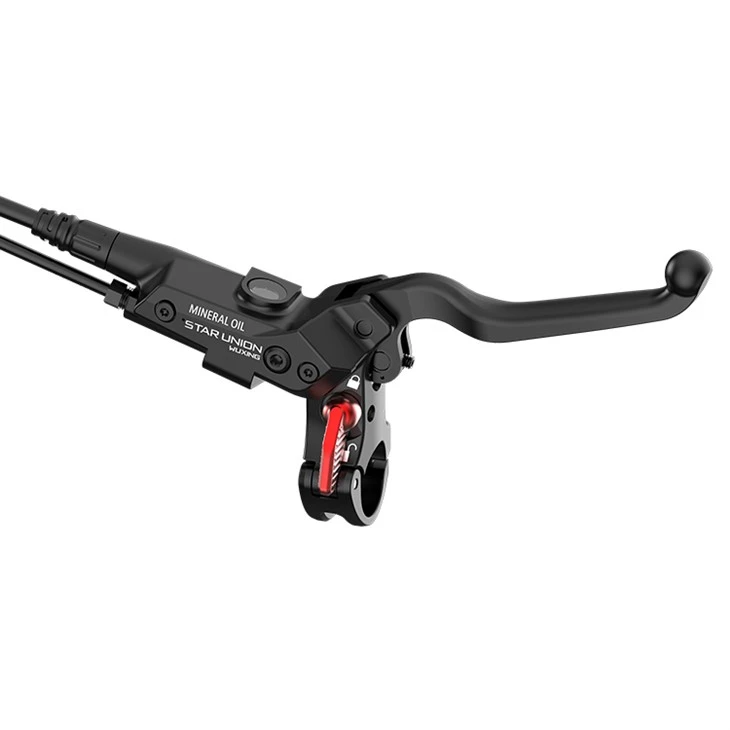
4. Visual Inspection of the Hydraulic System
Performing a visual inspection of your hydraulic brake system can also reveal clues about whether bleeding is necessary. Start by checking the brake fluid reservoir. In most hydraulic disc brake systems, there is a clear or semi - clear reservoir that allows you to see the level of the brake fluid.
If the fluid level is low, it could be a sign that there is a leak in the system. A leak not only causes a loss of fluid but can also introduce air into the system. Additionally, look for any signs of air bubbles in the fluid. If you see small bubbles floating in the reservoir or if the fluid appears cloudy, it indicates that air has entered the system.
Next, examine the hydraulic lines. Look for any signs of damage, such as cracks, cuts, or bulges. Damaged lines can allow air to enter the system and also cause the fluid to leak. If you find any damaged lines, they should be replaced immediately, and the brakes should be bled to remove any air that may have entered.
5. Frequency of Use and Age of the Brakes
The frequency of use and the age of your hydraulic disc brakes can also play a role in determining when bleeding is necessary. If you use your vehicle frequently, especially in demanding conditions such as off - road biking or heavy - duty trucking, your brakes will experience more wear and tear. This increases the likelihood of air entering the system.
Brakes that are several years old are also more likely to need bleeding. Over time, the seals in the brake system can degrade, allowing air to seep in. Additionally, the brake fluid can absorb moisture from the air, which can also affect the performance of the brakes. As a general rule of thumb, if you've had your brakes for more than a year and you notice any of the above - mentioned symptoms, it's a good idea to consider bleeding them.
The Importance of Proper Bleeding
Bleeding your hydraulic disc brakes is not only important for restoring optimal braking performance but also for ensuring your safety. Faulty brakes can put you at risk of accidents, especially in high - speed or emergency situations. By bleeding your brakes when necessary, you can maintain the integrity of the hydraulic system and ensure that your brakes respond quickly and effectively when you need them.
When to Consult a Professional
While bleeding hydraulic disc brakes is a task that can be performed by many DIY enthusiasts, there are times when it's best to consult a professional. If you're not confident in your ability to bleed the brakes correctly or if you're unsure about the source of the problem, a professional mechanic or a technician at a bike shop (in the case of bicycles) can help.
They have the necessary tools and expertise to diagnose and fix any issues with your brakes. Moreover, they can ensure that the bleeding process is carried out correctly, minimizing the risk of introducing air back into the system.
Conclusion
In conclusion, recognizing the signs that your hydraulic disc brakes need bleeding is essential for maintaining their performance and your safety. Whether you're experiencing a spongy lever feel, reduced braking power, noisy brakes, or notice visible signs of air in the system, bleeding your brakes is a necessary maintenance task.
As a supplier of hydraulic disc brakes, I'm committed to providing you with high - quality products and the knowledge you need to keep them in top condition. If you're in the market for new hydraulic disc brakes or need more information about brake maintenance, don't hesitate to contact me for procurement and further discussions. I'm here to help you make the best choices for your braking needs.
References
- "Bicycle Hydraulic Disc Brake Maintenance Guide" published by a leading cycling magazine.
- Technical manuals provided by the manufacturers of hydraulic disc brakes.