

Hey there, fellow e - bike enthusiasts! As a supplier of e - bike hydraulic disc brakes, I often get asked about the wear rate of these crucial components under normal use. So, let's dive right in and break it down.
What Are E - bike Hydraulic Disc Brakes?
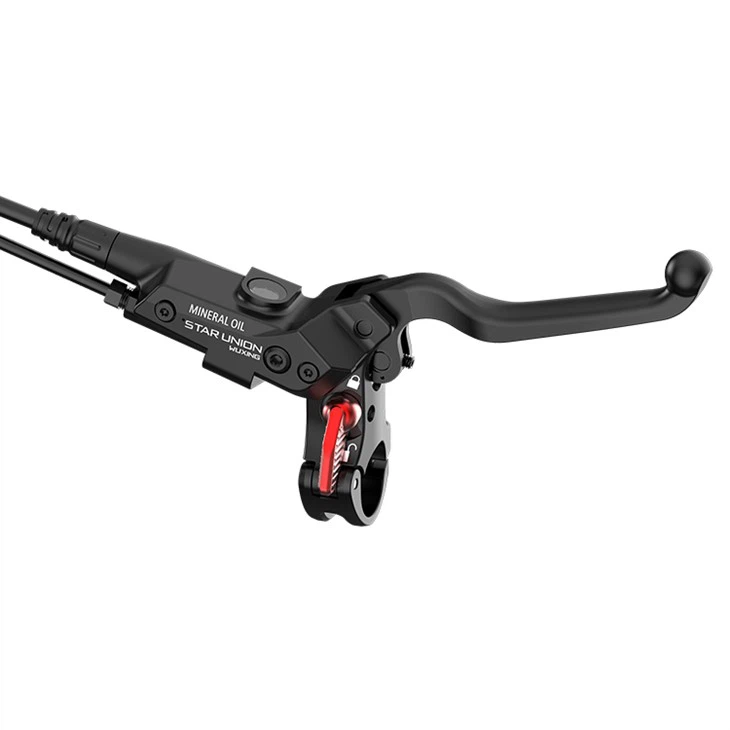
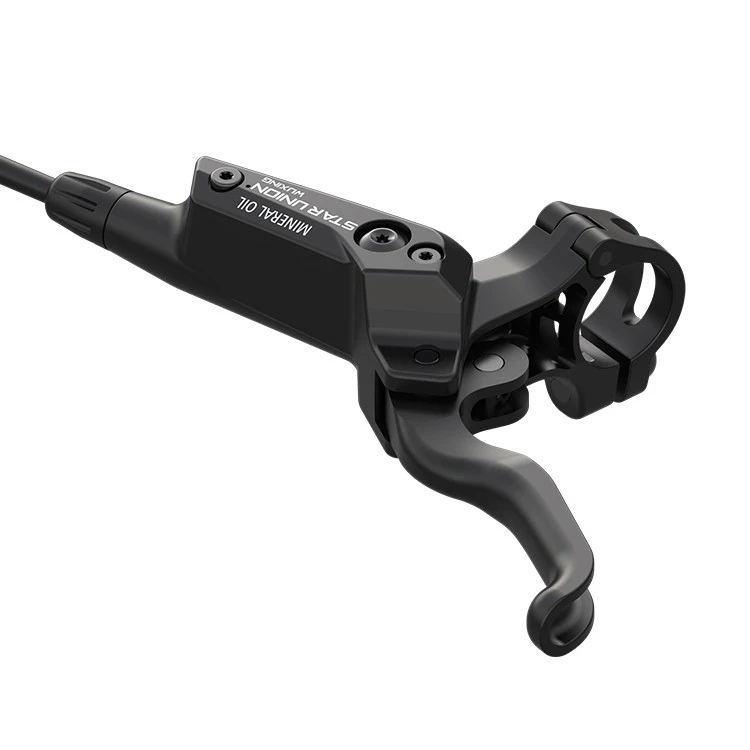
First off, for those who might not be super familiar, e - bike hydraulic disc brakes are a popular choice for modern e - bikes. They use hydraulic fluid to transfer force from the brake lever to the brake caliper, which then clamps down on the brake rotor to slow or stop the bike. This system offers better stopping power, more consistent performance, and less maintenance compared to traditional mechanical brakes.
Factors Affecting Wear Rate
Riding Conditions
The wear rate of e - bike hydraulic disc brakes can vary significantly depending on where and how you ride. If you're mostly cruising on flat, smooth roads, your brakes will experience less wear. On the other hand, if you're into mountain biking or riding in hilly areas, your brakes will be working much harder. Every time you go downhill, you're relying on your brakes to control your speed, and this constant use can wear them out faster.
For example, if you're riding in a city with lots of stop - and - go traffic, your brakes are constantly engaging and disengaging. This frequent use can lead to increased wear on the brake pads and rotors. In contrast, a long, steady ride on a bike path might put less stress on the brakes.
Rider Habits
How you use your brakes also plays a big role. Some riders tend to "ride" their brakes, meaning they keep a light pressure on the brake lever all the time. This can cause unnecessary wear on the brake pads and rotors. A better approach is to use your brakes only when you need to slow down or stop. Also, if you're a heavy rider or tend to ride at high speeds, your brakes will have to work harder to stop you, which can increase the wear rate.
Quality of the Brakes
The quality of the e - bike hydraulic disc brakes you choose matters a lot. Higher - quality brakes are often made with better materials and more precise manufacturing processes. They are designed to withstand more wear and tear. For instance, our 220PYD series is built with high - grade materials that are resistant to heat and friction, which helps to reduce the wear rate.
Understanding Brake Pad Wear
Brake pads are one of the most critical parts of the braking system, and they are also the most likely to wear out. Over time, the friction between the brake pads and the rotors will cause the pads to thin down. Most brake pads come with a wear indicator. When the pad reaches a certain thickness, the wear indicator will start to make a noise, letting you know it's time to replace the pads.
On average, under normal use, brake pads can last anywhere from 1000 to 3000 miles. However, this can vary based on the factors we mentioned earlier. If you're a heavy user or ride in harsh conditions, you might need to replace your brake pads more frequently.
Rotor Wear
The brake rotors also experience wear, although it's usually less noticeable than brake pad wear. Rotors can wear unevenly, which can cause vibrations when you apply the brakes. This uneven wear can be caused by things like dirty brake pads or improper installation.
Under normal use, brake rotors can last much longer than brake pads, often up to 5000 to 10,000 miles. But again, this can vary. If you're constantly using your brakes hard, the rotors will wear out faster. Our 221PYDZJ Pro brakes come with high - quality rotors that are designed to resist wear and provide smooth braking performance.
Measuring Wear Rate
So, how can you measure the wear rate of your e - bike hydraulic disc brakes? One way is to keep track of your mileage and how often you need to replace the brake pads and rotors. You can also visually inspect the brake pads and rotors regularly. If the brake pads are getting thin or the rotors look worn, it's a sign that the wear rate might be higher than normal.
Another way is to pay attention to the performance of your brakes. If you notice that your brakes are not stopping as effectively as they used to, or if you feel vibrations when you apply the brakes, it could be a sign of excessive wear.
Tips to Reduce Wear Rate
Proper Maintenance
Regular maintenance is key to reducing the wear rate of your e - bike hydraulic disc brakes. This includes keeping the brakes clean, checking the hydraulic fluid levels, and making sure the brake pads and rotors are properly aligned. You should also lubricate the moving parts of the brakes to ensure smooth operation.
Correct Riding Techniques
As mentioned earlier, using your brakes correctly can make a big difference. Avoid riding your brakes and try to anticipate stops and slowdowns in advance. This way, you can use your brakes less frequently and reduce the wear on the components.
Our Product Range
We offer a wide range of e - bike hydraulic disc brakes to suit different needs and budgets. In addition to the 220PYD and 221PYDZJ Pro, we also have the 222PYDJ Max. The 222PYDJ Max is our top - of - the - line model, designed for high - performance e - bikes. It features advanced materials and technology to provide excellent stopping power and a low wear rate.
Conclusion
The wear rate of e - bike hydraulic disc brakes under normal use can vary depending on several factors, including riding conditions, rider habits, and the quality of the brakes. By understanding these factors and taking proper care of your brakes, you can extend their lifespan and ensure optimal performance.
If you're in the market for high - quality e - bike hydraulic disc brakes, we'd love to hear from you. Whether you're an e - bike manufacturer looking for a reliable supplier or an individual rider in need of a replacement brake system, we can provide you with the products and support you need. Get in touch with us to start a procurement discussion and find the perfect brakes for your e - bike.
References
- "Bicycle Brake Technology" - A technical guide on bicycle braking systems.
- "E - bike Maintenance Handbook" - A comprehensive guide to maintaining e - bikes, including brake systems.